

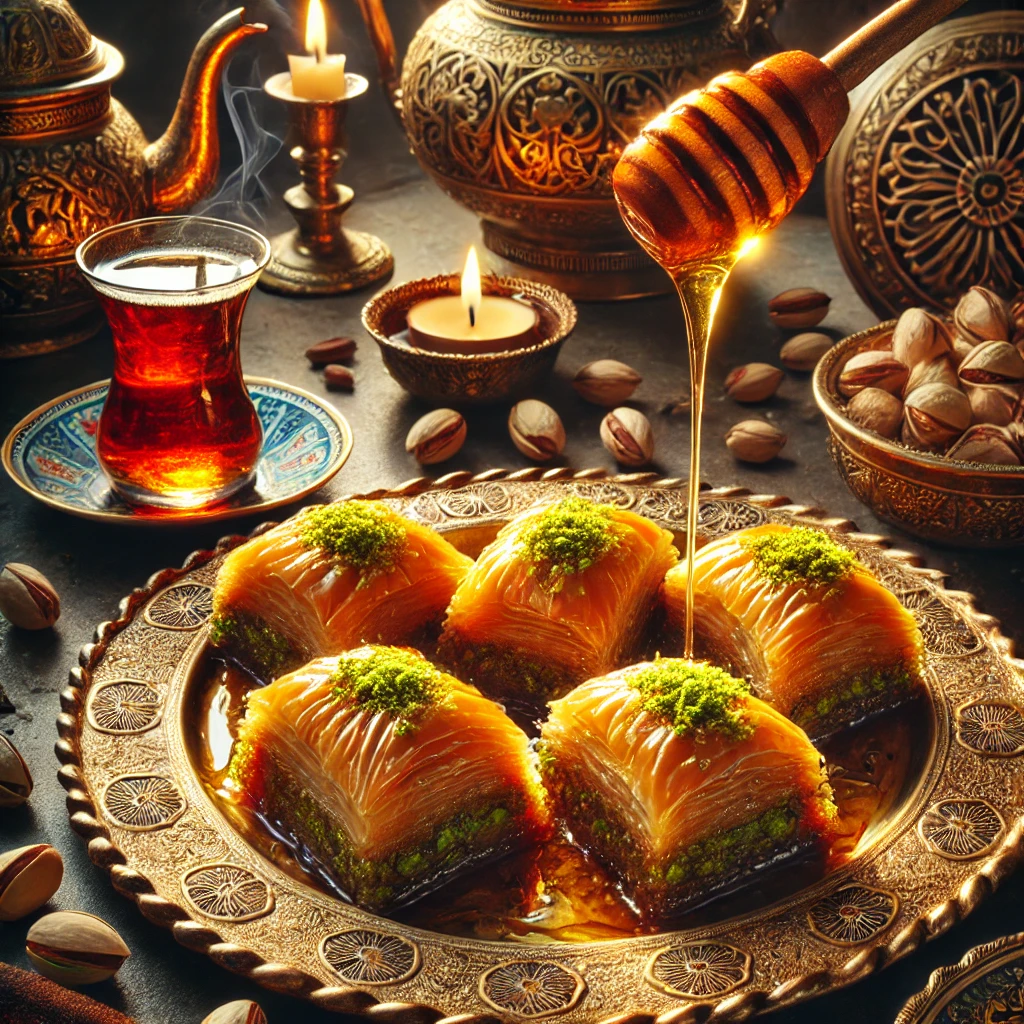
History of baklava is more than just a dessert—it’s a culinary marvel that has captivated taste buds for centuries. With its delicate layers of golden, crispy filo pastry, rich nut fillings, and a luscious honey or syrup glaze, baklava stands as a testament to the artistry of pastry-making. This iconic sweet treat is cherished in Turkish, Greek, Middle Eastern, and even Balkan cuisines, each culture adding its own unique touch.
History Of Baklava: A Timeless Culinary Masterpiece
The origins of baklava are steeped in history, with influences spanning from ancient Mesopotamian civilizations to the Ottoman Empire. While its exact beginnings remain debated, the evolution of baklava was undoubtedly shaped by Persian, Byzantine, and Ottoman influences. History Of Baklava, over the centuries, it became a symbol of festivity and hospitality, often served during celebrations, weddings, and religious holidays.
What Makes Baklava So Special?
The secret to baklava’s irresistible flavor lies in its ingredients and meticulous preparation:
- Filo Dough: Ultra-thin, flaky layers that create the signature crispiness.
- Nutty Goodness: A blend of pistachios, walnuts, or almonds adds depth and crunch.
- Butter or Ghee: Enhances the richness and prevents the layers from drying out.
- Honey or Syrup: Soaks into the layers, providing the perfect balance of sweetness.
- Fragrant Spices: Cardamom, cinnamon, or even a touch of clove elevate the flavor profile.
How to Make the Perfect Baklava
- Layer the filo dough, brushing each sheet with melted butter.
- Add the nut mixture, ensuring even distribution between layers.
- Repeat the layering process, finishing with a thick top layer of filo.
- Bake until golden brown, ensuring crisp perfection.
- Pour the syrup while the pastry is still warm, allowing it to absorb fully.
- Let it rest to achieve the perfect harmony of textures and flavors.
History Of Baklava: Variations Around the World
While traditional baklava remains a favorite, different regions have put their own spin on it:
- Turkish Baklava: Made with pistachios and a lighter syrup, often featuring a buttery finish.
- Greek Baklava: Uses walnuts and honey syrup, sometimes infused with citrus or cinnamon.
- Middle Eastern Baklava: Often flavored with rosewater or orange blossom water for a floral touch.
- Persian Baklava: Incorporates cardamom and almonds, sometimes with a saffron-infused syrup.
Health Benefits of Baklava A Sweet Indulgence with Perks
Although baklava is a rich dessert, it also offers some surprising health benefits:
- Packed with Nutrients: Nuts provide healthy fats, protein, and essential vitamins.
- Antioxidant Properties: Honey contains antioxidants that support immunity.
- Natural Energy Booster: A small portion can provide a quick source of energy.
Best Ways to Enjoy and Store Baklava
- Serving Suggestion: Baklava pairs wonderfully with Turkish coffee, black tea, or even a scoop of vanilla ice cream.
- Storage Tips: Store in an airtight container at room temperature for up to a week or refrigerate for extended freshness.
Baklava is more than a dessert it’s a symbol of tradition, craftsmanship, and indulgence. Whether you savor a classic version or explore regional variations, baklava promises a mouthwatering experience that transcends borders. Next time you take a bite, remember the centuries of history and passion behind this legendary treat.